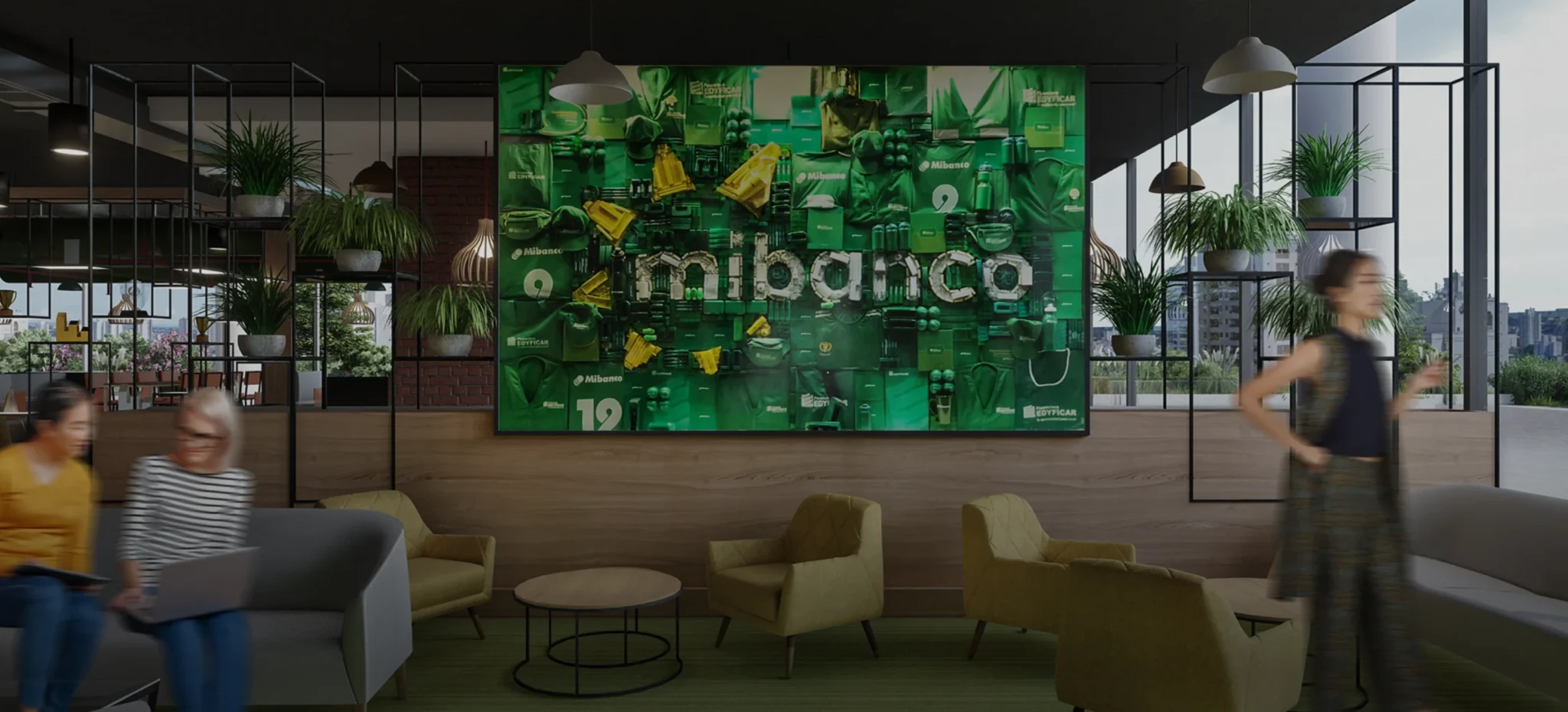
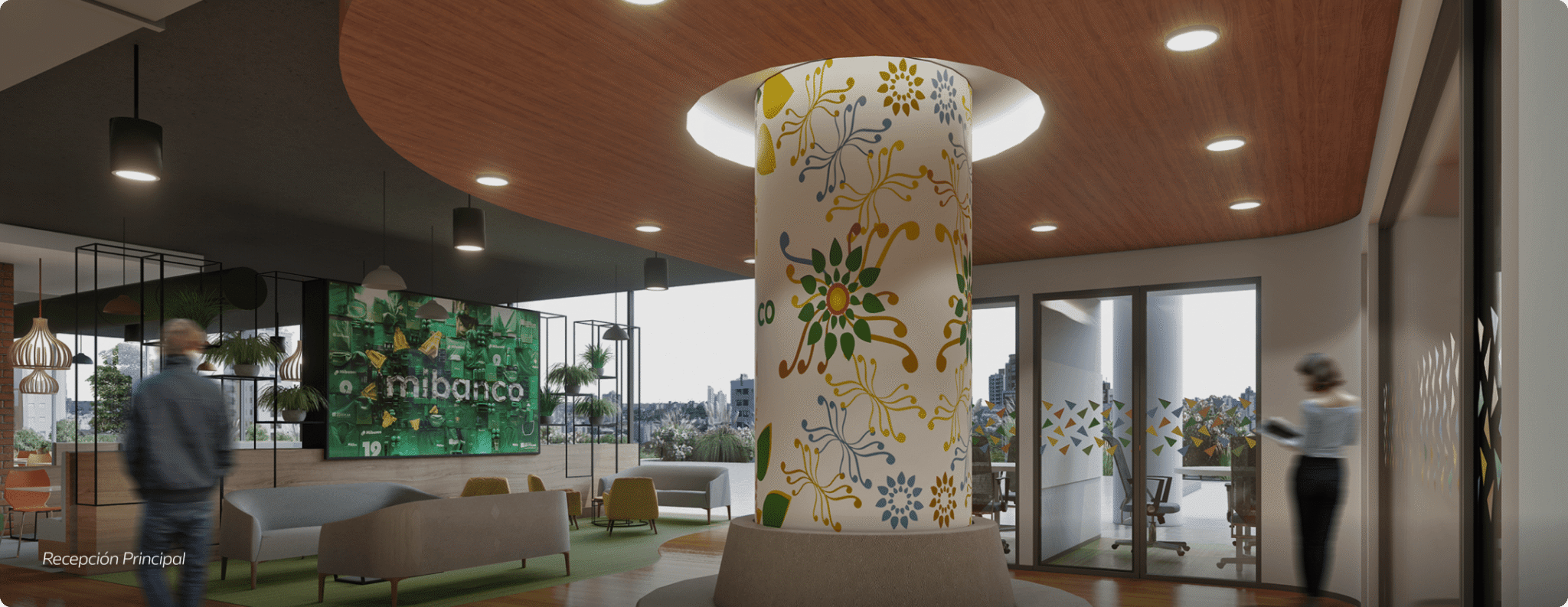
This move signifies more than just a change of address; it’s a catalyst for innovative work methods and a revamped corporate culture. Housed in a central city building near República de Panamá and Av. Angamos avenues, the Hatun-Wasi project, Mibanco’s new headquarters, is a testament to the collective efforts of many professional teams.
According to Stanford’s Design School, any design process seeking to create a sense of belonging must consider five levels: Communication, Object, Role, Ritual, and Space. Even minor changes, like a logo tweak or a new communication channel, can significantly impact these five dimensions.
In a brand ecosystem striving to be a Lovebrand, any mistake could disrupt corporate harmony and alienate the user community. (Users include customers, families, employees, and external stakeholders.) This latent community is shaped by a brand’s value proposition. Mibanco’s move to a new corporate space required a strategic approach, centered around its users, the Mibanco family.
Through the collaborative use of the Service Blueprint and Conversion Funnel, we were able to CO-CREATE multiple touchpoints that strategically delivered value on both a micro and macro level.
Each element, whether it’s a public space or a personal item like a laptop sticker, is carefully designed and selected to serve a specific purpose and work in harmony with the overall design

We focused on creating an exceptional employee experience within our office spaces. To achieve this, we explored five key dimensions: Collective User Imagination, Territory of Action, Corporate Gestural Language, Rituals and Interaction,and Objects and Their Dynamics.
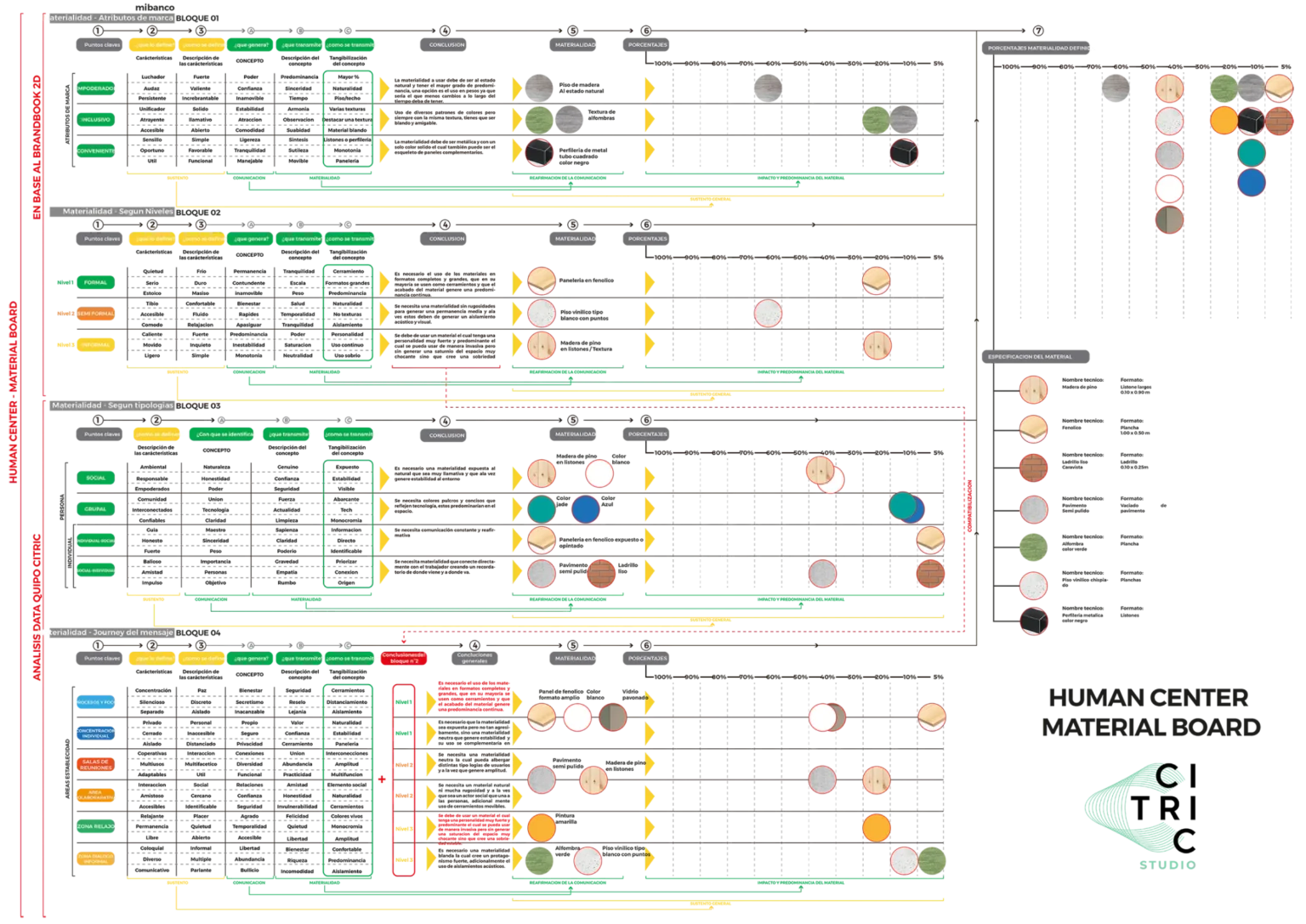
Using the Citric® methodology, we designed Brand Assets with defined roles within Mibanco’s brand ecosystem. This approach, unlike traditional design, allowed us to trace corporate culture, connecting it with both internal and external stakeholders.