

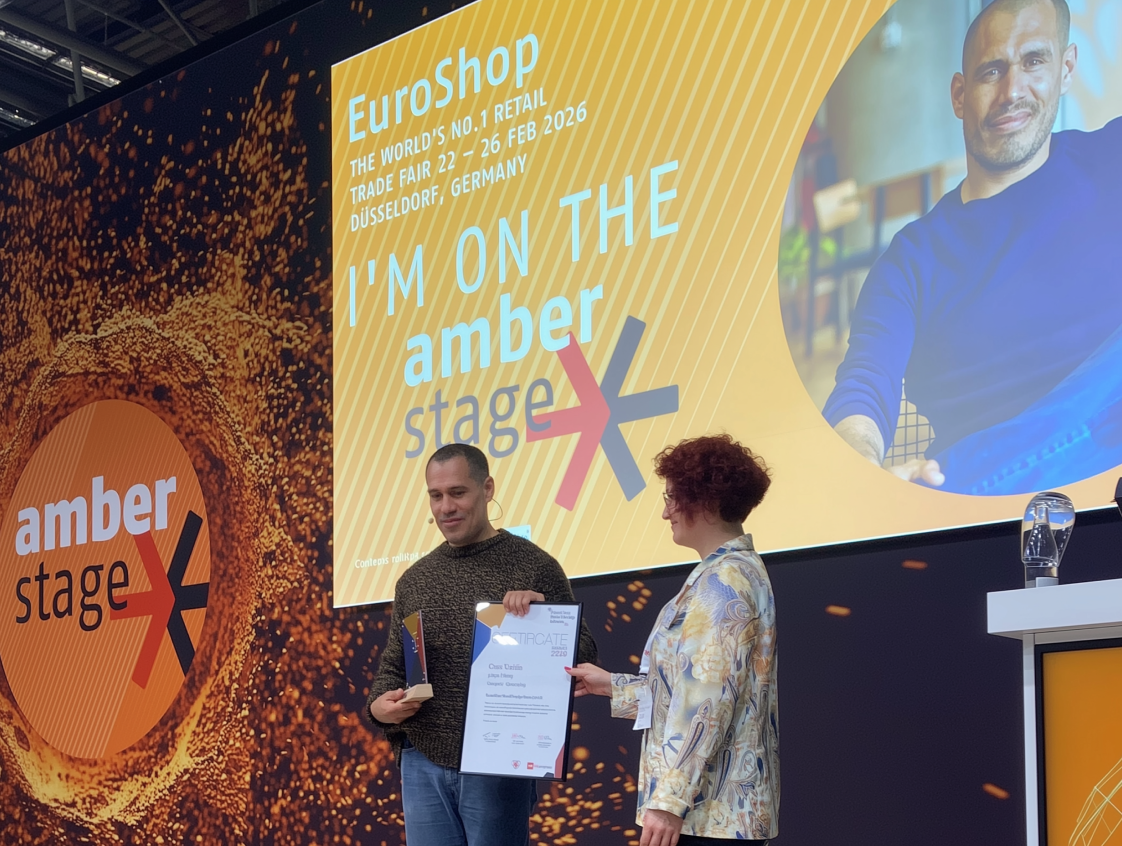
In the contemporary experience economy, retail design has evolved from an aesthetic variable into an auditable performance metric. Securing Peru’s first EuroShop Retail Design Award (ERDA) in Düsseldorf is a global validation of a business engineering approach capable of resolving high-complexity operational and cultural environments.
Within the world’s most influential retail platform, the EHI Retail Institute and Messe Düsseldorf evaluate architecture’s capacity to function as an efficient navigation interface—one that maximizes physical asset value within high-uncertainty markets.
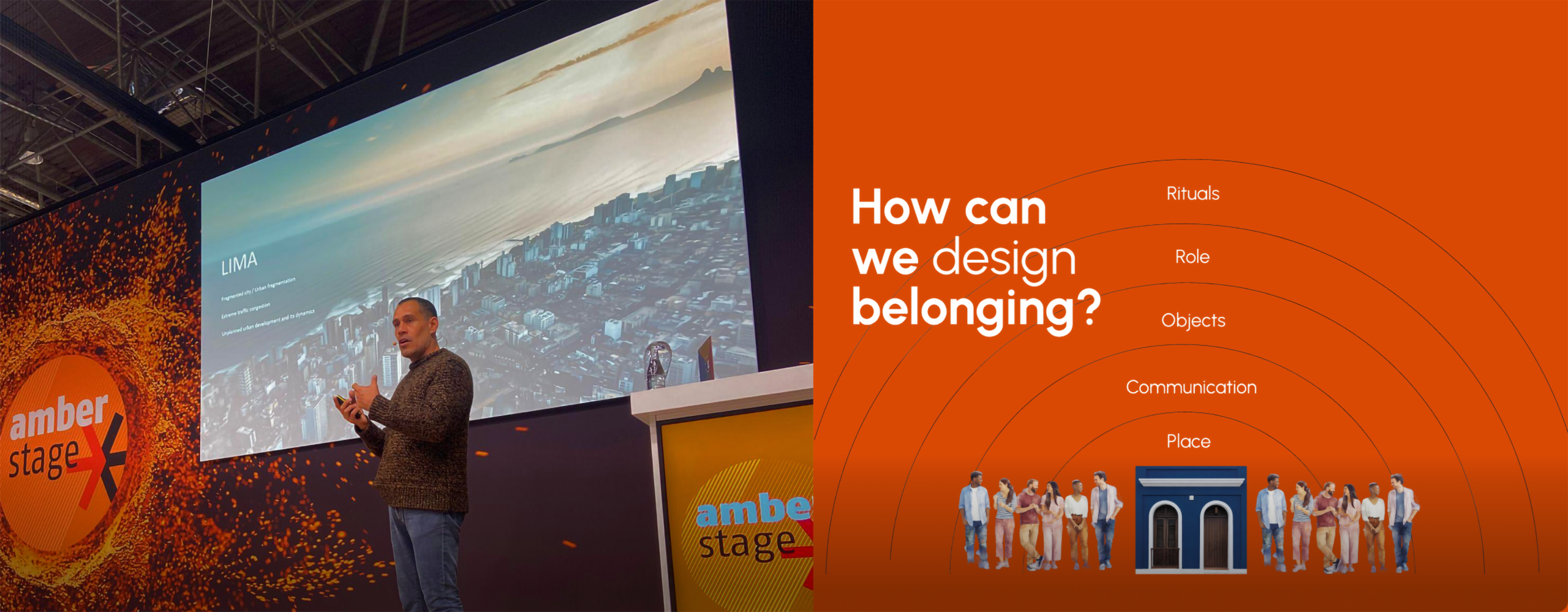
Retail design is the strategic management of value streams. Unlike traditional commercial architecture, where the physical object is the end goal, our approach views architecture as a container within a brand’s omnichannel ecosystem.
Our award-winning project synthesized four business units with distinct operational dynamics into a single, continuous ecosystem:
Contemporary Art Gallery: Designed as the project’s narrative and immersive threshold.
Casual Dining: A high-turnover culinary integration.
Jazz Lounge & Workshop: A social activation engine and experiential hub.
Hidden Disco: A strategic culmination revealed behind a large-scale zigzag portal, engineered to segment nocturnal flows.
This operational complexity is technically resolved through value stream engineering within the framework of Retail Modularity. In this paradigm, architecture sheds its static role (walls, fixtures, textures) to become a transformable lattice—a mutable environment that users reconfigure through their individual experience. This convergence of Modularity + Physical Space + Value Stream Engineering, developed in collaboration with IED Madrid and the Retail Design Institute, is what we define as Liquid Architecture.
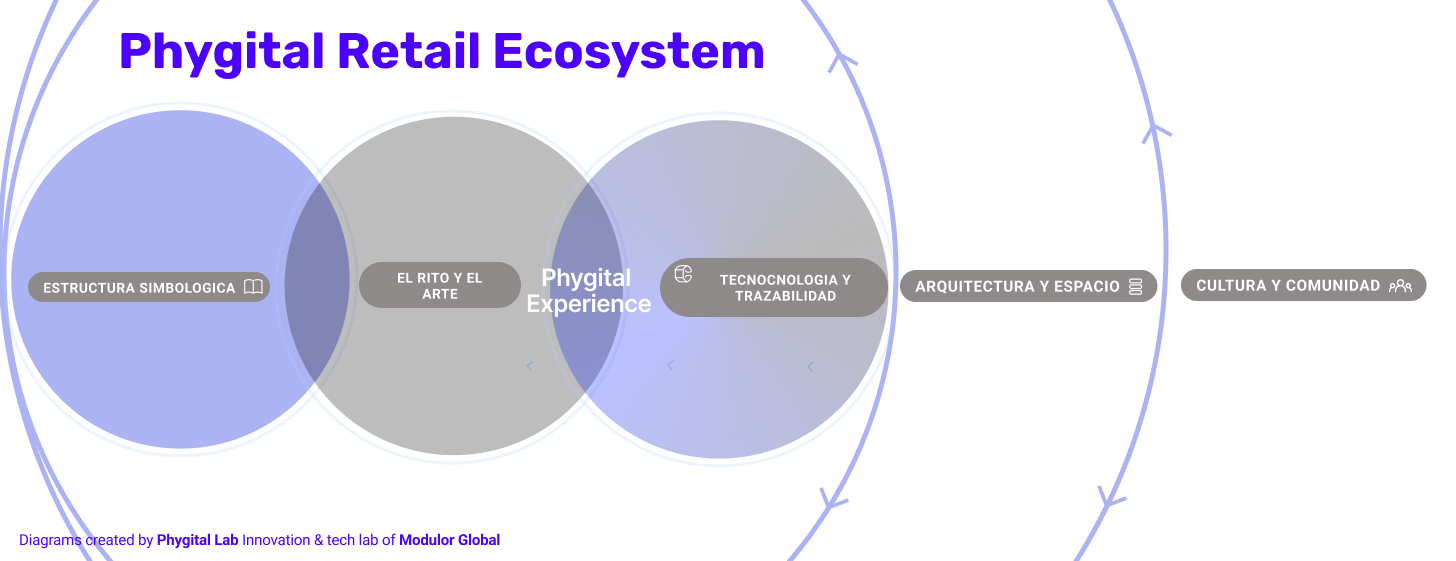
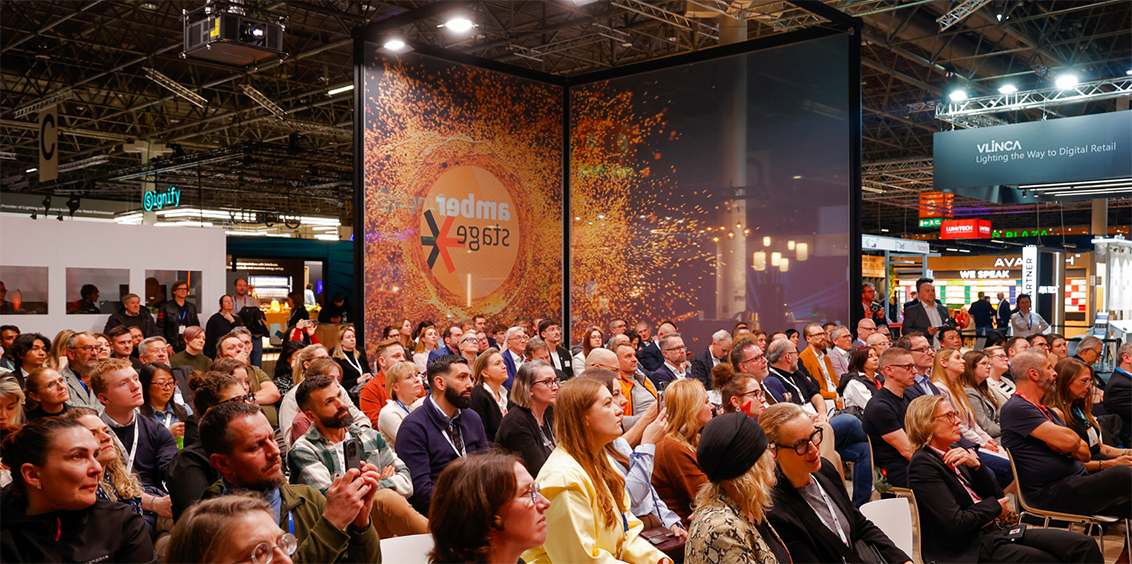
The innovation presented during our lecture at the Amber Stage in Düsseldorf focused on the implementation of an invisible digital layer via our PhygitalLab. For high-value assets, technology serves as a tool for traceability and service, structured into three phases:
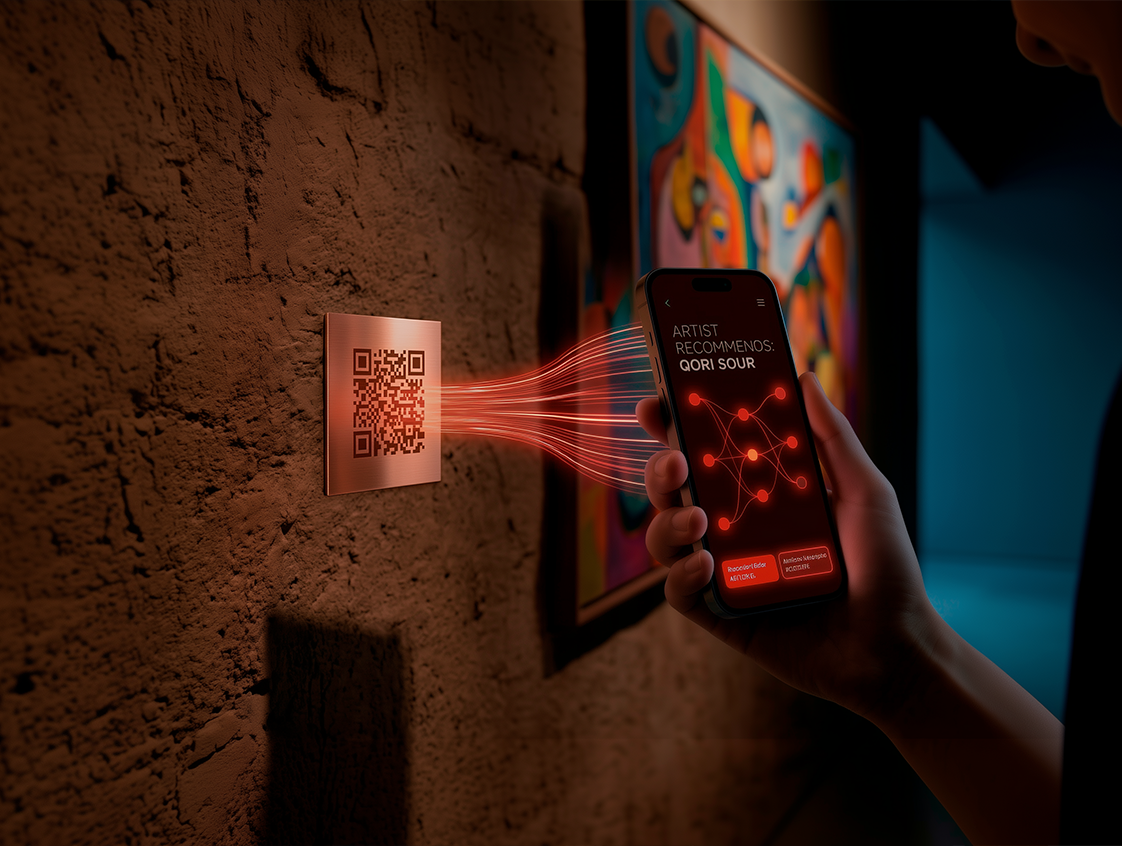
Objectification Phase (Touchpoints): Each artwork is integrated with a QR code, linking the piece to the spatial narrative and capturing interest profiles from the first point of contact.
Synesthetic Synergy: The system bridges visual art with gustatory recommendations, creating a “cultural traceability” experience where data personalizes the service delivery.
Design of Belonging: This infrastructure scales the user relationship into a community, transforming the visit into a loyalty ritual with exclusive access to events and pre-sales via a centralized database.
Intervening in structures of historical value requires a methodology rooted in material honesty. Beyond selecting materials that reflect local identity, our objective was the management of a symbological structure—interconnecting the physical fabric with the semantic logic of brand codes.
The EuroShop Retail Design Award confirms a necessary paradigm shift: retail architecture is no longer a discipline of “good taste.” The in-store experience is not merely a byproduct of interior design, but an independent expertise that creates the context for physical actors to gravitate toward, facilitating constant value delivery across multiple touchpoints.
High-performance hospitality resides at this intersection, where the rigor of data streams merges with spatial sensitivity.
This global recognition for Modulor Global establishes that the design of hybrid ecosystems is the definitive route to transforming physical spaces into assets capable of generating predictable belonging and profitability. The standard achieved is not a destination, but the technical foundation for projecting the future of retail and hospitality in environments of high complexity.


Suscribete a la estrategia detrás del diseño